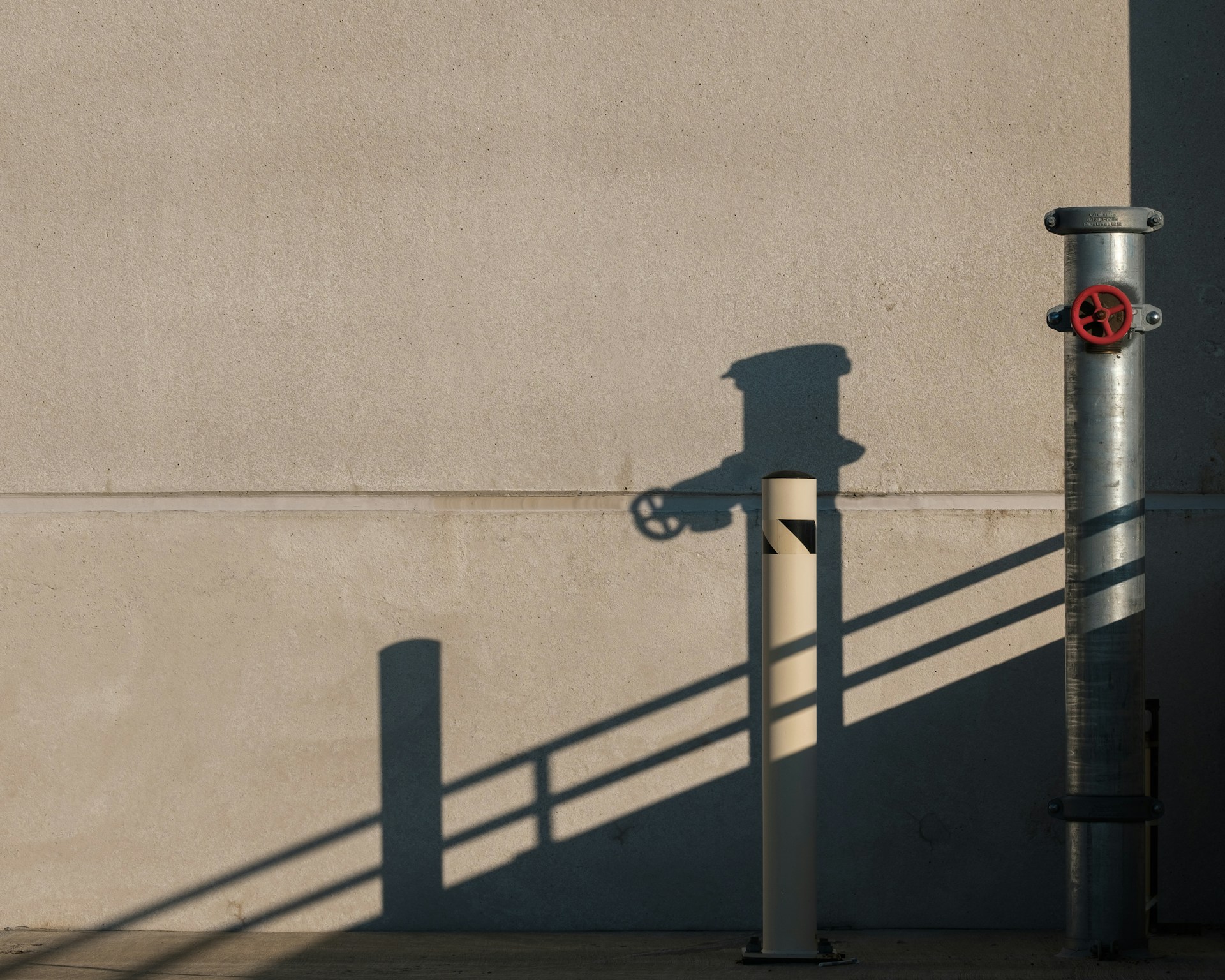
As far as home improvement is concerned, the trend is to incorporate eco-friendly solutions. A good place to start would be with understanding the role of the water valve, as well as how to turn off the water supply. Although that may appear out of context on the run you appear to be in, this is important information in terms of water conservation, waste control, and the overall performance of your home.
One simple yet impactful step is understanding how to shut off the water valve. Moving ahead, we will explore how sustainable practices can make our surroundings cleaner and more efficient by examining water usage and how eco-friendly the kitchen is.
Sustainable Home Improvement: Understanding the Role of Water
Water plays a critical role in every home, yet leaks, clogs, impacts, or excessive pressure often waste it. Sustainability focuses on protecting the planet by conserving only what we need and using resources wisely to improve our homes. When people take small, practical actions, they can create a meaningful impact on a global scale. Here’s how.
Saving Water
Your hundreds of gallons may go down the drain through leaks or ruptures in your pipes. However, firefighters know exactly what to do, to minimize any damage and avoid major losses. They turn on the valve and simply turn it off whenever they need to.
Supporting Energy Efficiency: Energy and water conservation are closely linked because water treatment, pumping, and heating require energy. Therefore, policies that reduce household water use directly lower household energy consumption.
Enhancing Kitchen Sustainability: There are several appliances in the kitchen that consume a lot of energy and water and the kitchen happens to be one of the most used rooms in a house. With sustainable practices being integrated here, this could change for the better.
Application of Shut-Off Valves in a Green House
Shut-off valves help control the amount of water usage and help avoid wastage of water. Here’s how:
Eliminates The Risk Of Water Leakages
Water leakages are hard to detect and can cause a lot of damage over time by virtue of water drainage. Regularly monitoring shut-off valves and learning how to operate them lets you control and fix water leakages.
Aids In An Easy Servicing
Gardening, and living sustainably means that you need to ensure all of the components and systems of your home function correctly. Shut-off valves allow homeowners to complete plumbing work and necessary upgrades without wasting water.
Staying Prepared
In such times as an accidental pipe burst, if you know how to shut the key valve, less water will be wasted, and the damages sustained to the property will also be lesser. All of this is important information on how to maintain a greenhouse.
Best Ways to Achieve a Green Kitchen
Making your kitchen more green does not require a lot of effort. A few modifications can make a lot of difference.
- Food Waste Disposal: Food disposal increases the organic material in the sea dumps and adds nutrients to your backyard making it less environmentally harmful. Use a compost bin for vegetable and fruit peels, coffee aspects, etc.
- Replace Harmful Chemicals With Eco-Friendly Substitutes: Kitchen cleaning is a chore that impacts the environment, try implementing non-toxic and biodegradable substitutes to ease the impact your kitchen has.
- Grab The Reusable Items: Stop using disposable items like plastic wraps and paper towels. Instead, you can use a cloth napkin or a silicone food storage bag that you can easily wash and reuse.
- Dispose Of Wasted Water Properly: You can save water by reusing it. Instead of pouring out the water that has been used to rinse your grocery items, you can reuse this water to nourish your plants. Little modifications like this can conserve lots of water over some time.
- Switch to Energy Efficient Modes Of Cooking: Utilize slow cookers, induction stoves, or pressure cookers, as they require less energy in comparison to electric or gas stoves.
Turning Off The Water Valve For Eco-Friendly Practices
Turning the water off valve is important for managing a household sustainably. Here are some tips.
Finding the Valve
Sell smarter
List your home on the MLS for $99
No listing agent, no 3% commission. Beycome handles your MLS listing so you keep more of what your home is worth.
Sell your home →Buy smarter
Get up to 2% back at closing
Buy any home with a Beycome agent and receive a rebate of up to 2% of the purchase price — paid to you at closing.
Buy a home →You should either check near the water meter or the utility areas to find the main water supply valve. Sinks and dishwashers also have a shut-off valve which can easily be found underneath them.
Ending The Water Supply
Use the handle of the valve to stop any water from flowing. You close a ball valve by turning the lever so it sits at a right angle to the pipe. You also close a gate valve by turning the wheel clockwise.
Complete The Following Steps
Make sure to check the valves from time to time in order to ensure that there is no erosion. Supply valves that can get damaged should be replaced in order to not get unprepared in an emergency situation.
Eco-Friendly Enhancement to Your Plumbing
If you are a homeowner focused on sustainability improvement, consider plumbing system enhancement as it can provide great turning benefits.
Install Greywater Systems
Water recycling or greywater systems reuse wastewater from sinks and dishwashers for watering and other irrigation needs.
Use Smart Leak Detectors
Smart appliances detect leaks or abnormal water usage throughout the home and provide detailed alerts to the owner, helping minimize damage.
Upgrade Pipes
Replace aging and weak pipelines with PEX or Copper sustainable materials that are leakproof to minimize the loss of water and increase efficiency.
Conclusion
Learning where the main water valve is and how to turn it off are very basic skills that help manage the water in your house more efficiently. Integrate this information within the sustainable methods in your kitchen and the rest of your house to make your house more energy-saving and green. These are maintenance changes you help save for your single unit and also help the environment around you.
Discover Understanding the Impact of Water Damage on Property Value