
Updated October 2026. For first-time renters: graduates, people leaving a family home, and anyone signing their first lease.
What should you think about before renting for the first time? Start with money. As of October 2026, the usual test is to keep housing costs at or under 30% of your income, the line HUD uses for “cost-burdened” households. Nearly half of U.S. renter households (49.7%) were above it in 2023, per the Census Bureau. Then check insurance, the neighborhood, the unit’s condition and the lease itself.
Jump to: 💲 Budget · 🏠 Insurance · 📍 Neighborhood · 🪜 Damage check · ❓ FAQ
Key takeaways
- Keep rent plus utilities near 30% of gross income; on $4,000 a month, that’s about $1,200.
- The average renters insurance premium was $171 a year in 2022, per the Insurance Information Institute.
- The national rental vacancy rate was 7.3% in the second quarter of 2026 (Census Bureau), so you often have room to ask for better terms.
- Photograph every room at move-in, and get every repair promise in writing.
Your first lease is a contract you’ll live with for a year or more. A few hours of homework before you sign saves a lot of money and stress later. Here’s what we’d check, in order.
How much rent can you afford on your first place?
Use the 30% line as a ceiling, not a target. The Census Bureau notes that HUD treats a household as cost-burdened when it spends more than 30% of income on rent and other housing costs, and severely burdened above 50%. In its September 2024 release, over 21 million renter households were above 30% in 2023.
Your real monthly cost is more than the rent. Here’s how much of your income should go to rent, with a table by income. Add electricity, water, internet, renters insurance, parking and any pet rent. Then add what you pay once: application fees, the security deposit, first month’s rent and moving costs.
| Gross monthly income | 30% of income | What it has to cover |
|---|---|---|
| $3,000 | $900 | Rent, utilities, insurance |
| $4,000 | $1,200 | Rent, utilities, insurance |
| $5,000 | $1,500 | Rent, utilities, insurance |
| $6,500 | $1,950 | Rent, utilities, insurance |
Write a simple monthly budget before you tour anything. List income, fixed bills, food, transport and savings. If the rent you want breaks the budget, look at a roommate, a smaller unit, or a less central street.
Many landlords also screen on income, often asking that rent be a set fraction of what you earn. Ask for the rule before you pay an application fee, so you don’t pay to be turned down.
Is renters insurance worth it for a first apartment?
For most people, yes. The landlord’s policy covers the building, not your laptop, furniture or clothes. If a pipe bursts or someone breaks in, your things are on you unless you have your own policy. Most policies also include liability coverage, which helps if a guest gets hurt in your unit.
It’s cheap compared with the risk. The Insurance Information Institute puts the average renters premium at $171 a year in 2022, the latest year in its table. Some leases require a policy, so read that clause.
Still asking yourself is renters insurance worth it? Price two or three quotes. Check the coverage limit for your belongings, the deductible, whether claims pay replacement cost or the depreciated value, and the liability amount. A quick list of what you own, with photos, makes a claim much easier.
How do you check a neighborhood before you rent?
Visit at least twice: once on a weekday evening and once on a weekend. A street that’s calm at 11am can be loud at 11pm. Listen for bars, highways, delivery trucks and late-night traffic. Our guide on visiting a home at different times of day was written for buyers, but every point applies to renters.
Time your real commute at rush hour. Find the nearest grocery store, pharmacy and transit stop. If you can, ask a neighbor what living there is like. People are usually honest about noise, parking and how fast the landlord fixes things.
Online reviews of the building or management company help too. Read the recent ones and look for patterns, like slow repairs or deposit disputes, rather than one angry post.
What damage should you look for when touring a rental?
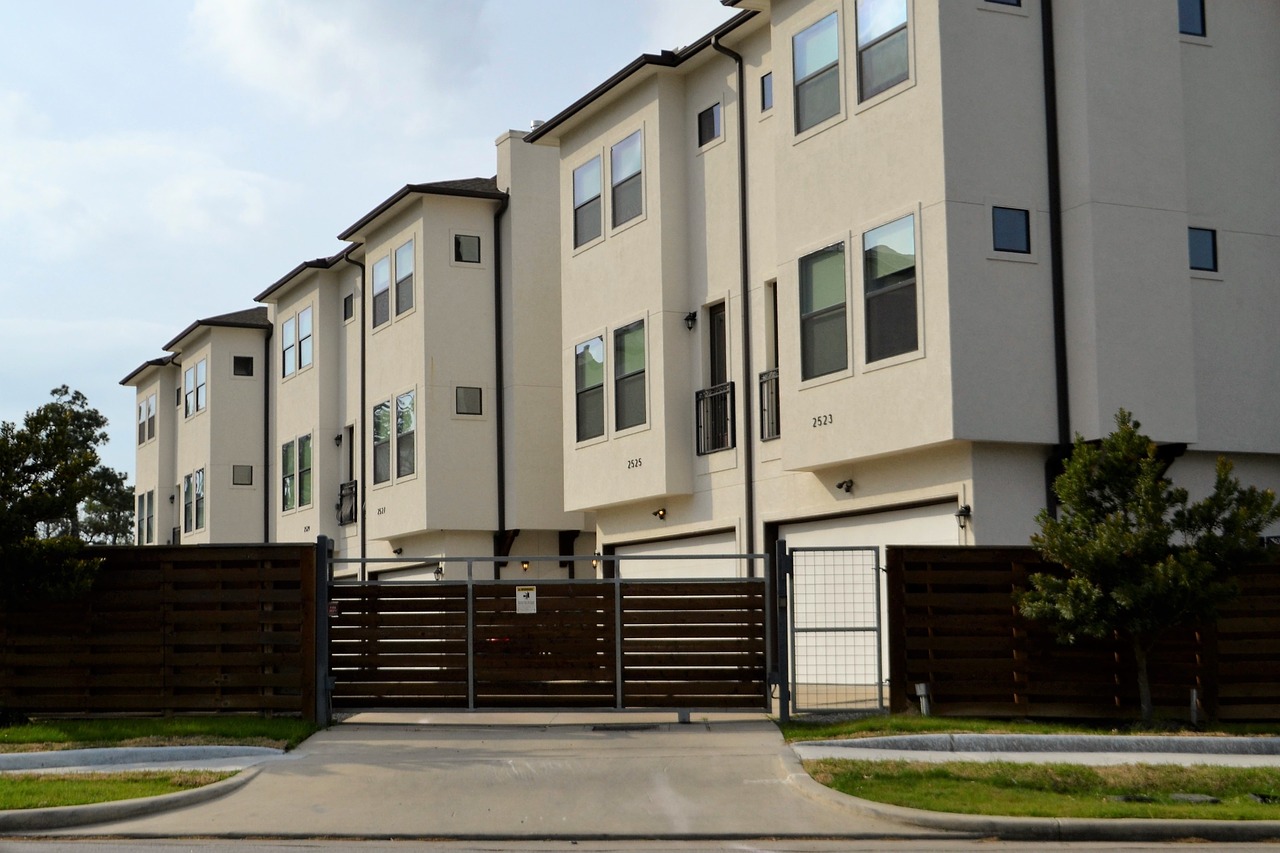
Look past the fresh paint. Check for water stains on ceilings and under sinks, a musty smell, soft spots in floors, cracked tiles, windows that don’t lock, and outlets that don’t work. Run the shower and every faucet. Open the fridge and the oven.
If you find a problem, ask the landlord whether it will be fixed and by when, and put that in the lease or an addendum. A verbal “we’ll take care of it” is hard to enforce later.
- Water stains, bubbling paint or mold spots, which point to a leak.
- Pest signs such as droppings or traps under the sink.
- Working smoke and carbon monoxide alarms.
- Locks on every outside door and ground-floor window.
- Heat and air conditioning that actually run.
Leaks are the big one. If you see signs of past water problems, our guide on getting rid of water damage inside a house explains why mold follows so fast.
Sell smarter
List your home on the MLS from $99
A flat fee instead of a percentage, and $0 to Beycome at closing. You stay in control of your sale.
Sell your home →Buy smarter
Get up to 2% back at closing
On homes listed by other agents, Beycome credits you up to 2% of the price at closing (1% kept, $1,499 minimum; not on FSBO homes or homes listed by Beycome sellers).
Buy a home →What should a first lease say before you sign?
Read every page. Check the rent, due date and late fee, the term and renewal rules, the deposit amount and return terms, who handles which repairs, and how you can leave early. Our apartment lease checklist goes clause by clause.
Deposit rules depend on your state. In Florida, for example, a landlord with no claim must return the deposit within 15 days. Our guide to Florida landlord rights and duties covers the rest.
Can you negotiate? Often. With the national rental vacancy rate at 7.3% in the second quarter of 2026, per the Census Bureau, many landlords have units to fill. Ask for a lower move-in cost, a fixed rent for a longer term, or a fair early-exit clause. Paying on time and showing steady income is your best argument.
If your credit or rental history is thin, offer a co-signer or a larger deposit where the law allows it. If you’ve had a broken lease before, our guide on getting approved for an apartment after a broken lease walks through the options.
What should you do on move-in day?
Walk through with the landlord or manager if you can. Photograph and video every room, including inside cabinets, the floors and any existing damage, with the date visible. Email the photos to the landlord the same day. That record is your best protection when the deposit comes back.
Set up utilities in your name before the keys arrive, and confirm your renters policy starts on the lease start date. Save the landlord’s repair contact and the emergency number, and find the main water shut-off valve.
When does renting stop making sense?
Renting gives you flexibility and few repair bills. Buying builds equity, but it comes with a down payment, closing costs and maintenance. Many people rent for a few years, build savings and credit, and then buy.
When you’re ready to buy, the Beycome buyer program has no upfront fee. Beycome keeps 1% of the price (minimum $1,499) and credits the rest of the buyer-agent commission at closing, with lender approval. On a $400,000 home with 3% offered to the buyer’s agent, that’s $8,000 back. It’s open to every buyer on homes listed by other agents; the credit can’t apply where no buyer-agent commission is offered, like most FSBO homes, or on homes listed by Beycome sellers.
The 3% figure is an example only. Commissions are not set by law or NAR rules and are fully negotiable. Sellers choose whether to offer any buyer-agent compensation, and since August 17, 2024 those offers can’t be shown on the MLS. Our guide to buying a house from an owner covers the other route.
Frequently asked questions about renting for the first time
What should I think about before renting my first apartment?
Your full monthly cost, renters insurance, the neighborhood at different hours, the unit’s condition, and every clause in the lease. Get repair promises in writing.
How much of my income should go to rent?
Aim for 30% or less of gross income for rent and utilities. HUD treats households above 30% as cost-burdened, per the Census Bureau.
Do I need renters insurance?
It isn’t required by law, but some leases require it. It covers your belongings and liability; the average premium was $171 a year in 2022 (Insurance Information Institute).
What upfront costs come with a first rental?
Usually an application fee, a security deposit, first month’s rent, utility deposits and moving costs. Some landlords also ask for last month’s rent.
Can I negotiate rent on my first lease?
Often, yes, especially where vacancies are high. Ask about move-in costs, a longer fixed-rent term or a softer early-exit fee, and get any change in writing.
What should I do if I find damage after moving in?
Photograph it, date it and email the landlord right away. Ask for the repair in writing, and keep copies of every message.
Figures as of October 2026 from the sources below. Buyer credit: minimum $1,499 kept by Beycome, lender approval required, not on FSBO homes or homes listed by Beycome sellers. Commission figures are examples only. Deposit and lease rules vary by state. General information, not legal or insurance advice.
Sources
- U.S. Census Bureau, renter households cost-burdened (September 12, 2024).
- U.S. Census Bureau, Housing Vacancies and Homeownership, second quarter 2026.
- Florida Statutes section 83.49, deposits, read October 27, 2026.
- Insurance Information Institute, homeowners and renters insurance facts, read October 27, 2026.
- NAR, settlement FAQs.
- Beycome, buyer program terms, October 2026.
Disclosure & Disclaimer
Beycome provides real estate services through affiliated licensed brokerages and has a commercial interest in the services and business models discussed on this blog. Content reflects Beycome’s perspective and may promote our services; it should not be treated as independent or neutral reporting.
Articles are provided for general informational and educational purposes only, not as financial, tax, legal, or investment advice or a recommendation for your particular situation. Reading this blog does not create a brokerage, advisory, or other professional relationship.
Information, opinions, pricing, service descriptions, and comparisons reflect the sources and information available when an article was published or last updated and may change. Although we aim for accuracy, we do not guarantee that all content is complete, current, or applicable to your circumstances. Laws, market conditions, and service availability vary by location. Examples and estimated savings are illustrative, depend on stated assumptions, and do not guarantee individual results.
Verify relevant information directly and consult qualified professionals before making decisions. Beycome services are subject to applicable agreements, eligibility requirements, and state-specific terms.
