
Updated October 2026. Spending figures from the National Retail Federation and fire data from the NFPA, read October 30, 2026. Decorating ideas plus the safety and liability checks for your home.
To turn your home into a haunted house, work from the outside in: a neglected yard and graveyard, a creepy porch, then dim lights, sound and one or two staged rooms inside. As of October 2026, NRF expects Americans to spend $13.5 billion on Halloween, and 42% plan to decorate a home or yard. Keep it safe: NFPA counts about 835 home fires a year that start with decorations.
Jump to: 🏠 Outside · 🪜 Inside · 📸 Lights and sound · ⏱️ Fire safety · 🤝 Guests and liability · ❓ FAQ
Key takeaways
- NRF forecasts $13.5 billion in Halloween spending for 2026, about $115.14 per person.
- NFPA: from 2020 to 2024, decorations started about 835 home fires a year; 47% were too close to a heat source and 33% were started by candles.
- Use battery candles and glow sticks, keep exits clear, and tape down cords.
- Inviting guests inside? Check your homeowners liability coverage and keep the scares off the stairs.
Calling all ghouls and boys. Halloween is the time of year when a quiet street turns into a row of mini haunted houses. Some retail writers rank it second only to Christmas for decorating, and NRF’s numbers show why: 74% of people plan to celebrate in 2026. Want to give the local haunted attraction a run for its money? Here’s how, without a trip to the ER.
Where do haunted house traditions come from?
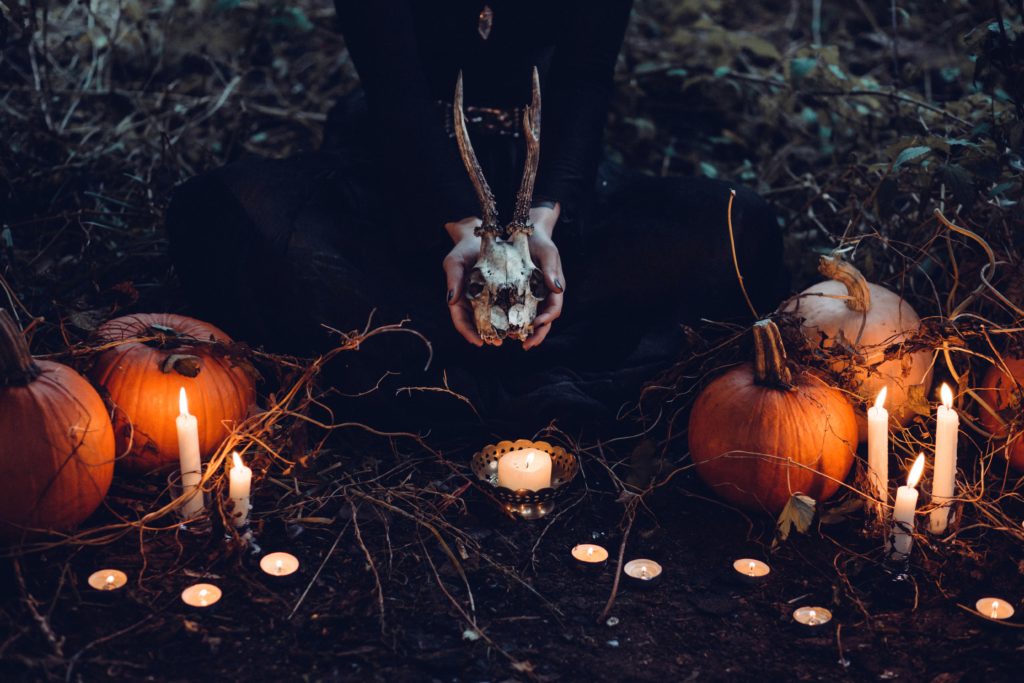
Halloween traces back to the Celtic festival of Samhain. Celts believed that on that night the line between the living and the dead blurred, and they lit bonfires and wore costumes. Later, the church set November 1 as All Saints’ Day, or All-hallows, and the night before became All Hallows’ Eve. Bonfires, masks and stories of restless spirits carried into the modern holiday, and haunted house displays grew out of them. Horror films did the rest. One of the first scary films was made in 1898.
How do you decorate the outside of a haunted house?
Your yard is the first thing trick-or-treaters see. Aim for neglect and the feeling that a lot of time has passed.
- Leave the fallen leaves, or spread a bag of dried ones.
- Scatter tombstones unevenly, a few leaning or cracked, like an old graveyard.
- Hang a rope swing from a tree branch, empty and moving in the wind.
- Put a rocking chair on the porch with an old, broken doll in it.
- Drape fake cobwebs where real dust would collect: corners, rails and window frames.
- Stand a mannequin in black or a plain white dress just to the side of a front window.
A fence is a great spot for severed limbs and a crooked, hand-painted sign. For a final touch, a dark wreath on the front door tells visitors who’s really welcome here. Bigger budget? A fog machine at ground level makes even a small lawn look endless.

How do you turn the inside into a haunted house?
For a truly scary house, someone has to step inside. Pick one path through the house and stage two or three rooms along it, rather than decorating every corner.
The stairs. If you have a second floor, drape cobwebs along the banister and set a few skulls or bones on the side of the steps, as if they’d just tumbled down. Keep the walking path completely clear.
The dining room. Set a dirty table for a feast nobody should eat. Dolls or volunteers sit around it, fake blood on the cloth, and bowls of fake guts in the middle. You can even make edible ones from spaghetti and sausage casings for any live actors to eat.
The living room. Stage a witches’ gathering. Put green LED lights in the bottom of a big cauldron and add dry ice for rolling mist, handled with gloves and good airflow. A big cauldron, a black candle (battery-powered) and a leather covered spell book make a whole scene.
Movies help. Loop a creepy clip on a TV, borrow a cemetery look from a classic, or go tamer with a Hocus Pocus theme for younger kids. Thrift stores are the best source for old dolls, goblets and candlesticks. Our ideas for DIY fall decorations work for the softer, pumpkin-and-leaves side of the season.
How do lighting and sound make it scary?
Lighting and surprise do most of the work. Dim the room lights, take a few bulbs out of a chandelier, or use one flickering bulb. Colored LED bulbs in green, red or purple change a room in seconds.
Then add sound. When people can’t see well, they listen harder. Play a low, spooky soundtrack, and drop in moments of total silence so the next creak lands harder. Live actors are the biggest upgrade of all. Recruit friends and family to sit still in a chair and move only when guests pass.
Sell smarter
List your home on the MLS from $99
A flat fee instead of a percentage, and $0 to Beycome at closing. You stay in control of your sale.
Sell your home →Buy smarter
Get up to 2% back at closing
On homes listed by other agents, Beycome credits you up to 2% of the price at closing (1% kept, $1,499 minimum; not on FSBO homes or homes listed by Beycome sellers).
Buy a home →How do you keep Halloween decorations from starting a fire?
The NFPA counted an average of 835 home structure fires a year from 2020 to 2024 that began with decorations. They caused about 3 deaths, 29 injuries and $18 million in direct property damage each year. Nearly half started because a decoration was too close to a heat source, like a candle or hot equipment, and about a third were started by candles.
- Use battery-operated candles or glow sticks in jack-o’-lanterns and displays.
- Keep cobwebs, cloth and paper away from bulbs, heaters and the fireplace.
- Keep every exit clear, and test the smoke alarms before the party.
- Run cords where nobody walks, or tape them flat; NFPA warns that yards full of cords become trip hazards.
- Skip long, trailing fabric on costumes, and give kids a flashlight.
What should you check before inviting guests in?
A walk-through haunted house is more fun with friends, and it’s also more people moving through a dark house. Before you open the door, walk the path with the lights off. Remove rugs that slide, block off stairs you won’t use, and keep pets in a closed room.
Call your insurer if you’re planning anything big. Homeowners policies usually include liability coverage if a guest gets hurt, but limits and exclusions vary, and charging admission can change things. Renting? Check with your landlord first, and see your renters policy.
Selling this fall? A full haunted house can scare off buyers, not just kids. For listing photos and showings, a few pumpkins and warm lights look welcoming in a way fake blood never will. Our post on home decorations that can boost value covers what to show. Beycome lists your home on the major home search sites and the MLS from $99 on the flat fee MLS packages, with $0 Beycome fee at closing.
What do you do after Halloween?
Pack decorations by room in labeled bins, and toss anything with frayed wiring. Halloween decorations can range from cute and kooky to full horror, and from a few pumpkins to a whole yard. The best ones are the ones you can safely reuse next year. Looking for more spooky inspiration? Visit 10 haunted castles around the world. And when the cobwebs come down, refresh the house with decorations that take your interior design to the next level or a look at outdated home decor making a comeback.
Questions and answers
How do you turn your house into a haunted house?
Work from the outside in: a neglected yard with tombstones and cobwebs, a creepy porch, then one path inside with two or three staged rooms. Dim lights, sound and a few live actors do the most work.
How much do Americans spend on Halloween in 2026?
The National Retail Federation forecasts $13.5 billion in 2026, up from a record $13.1 billion in 2025, or about $115.14 per person. 42% plan to decorate a home or yard.
How many fires do Halloween decorations cause?
The NFPA reports an average of 835 home fires a year from 2020 to 2024 that began with decorations. 47% happened because decorations were too close to a heat source, and 33% were started by candles.
Are candles safe in jack-o’-lanterns?
The NFPA recommends glow sticks or battery-operated candles instead. Candles started about a third of decoration fires in its data.
Am I liable if someone gets hurt in my home haunted house?
You could be. Homeowners policies usually include liability coverage, but limits and exclusions vary, and charging admission may change things. Call your insurer before a big event.
Should I decorate for Halloween while my house is for sale?
Keep it light. A few pumpkins and warm lights photograph well; gore and fog can distract buyers. Take listing photos before or after the big display.
Spending figures are NRF forecasts and fire data are NFPA averages, read October 30, 2026.
Prices as of November 2026: Basic $99, Enhanced $399, Concierge $1,399; Basic is $129 in California and Illinois. “$0 at closing” means no Beycome fee at closing; other closing costs, taxes and title fees still apply. Beycome lists in 17 states and DC.
General information, not insurance or legal advice. Check your policy and local rules before hosting guests.
Sources
- National Retail Federation, Halloween data and trends 2026, read October 30, 2026.
- NFPA, Halloween fire safety tips (read in browser), read October 30, 2026.
- Beycome, listing package features, October 2026.
Disclosure & Disclaimer
Beycome provides real estate services through affiliated licensed brokerages and has a commercial interest in the services and business models discussed on this blog. Content reflects Beycome’s perspective and may promote our services; it should not be treated as independent or neutral reporting.
Articles are provided for general informational and educational purposes only, not as financial, tax, legal, or investment advice or a recommendation for your particular situation. Reading this blog does not create a brokerage, advisory, or other professional relationship.
Information, opinions, pricing, service descriptions, and comparisons reflect the sources and information available when an article was published or last updated and may change. Although we aim for accuracy, we do not guarantee that all content is complete, current, or applicable to your circumstances. Laws, market conditions, and service availability vary by location. Examples and estimated savings are illustrative, depend on stated assumptions, and do not guarantee individual results.
Verify relevant information directly and consult qualified professionals before making decisions. Beycome services are subject to applicable agreements, eligibility requirements, and state-specific terms.